Discovery
Clarify the business context, users, constraints, and existing technical landscape.
Independent IT engineering
CET Leonhardt GmbH designs and develops dependable digital systems—from focused software products to connected infrastructure.

Company overview
CET Leonhardt GmbH works at the point where software, operations, and business processes meet. The focus is practical: understand the real problem, reduce avoidable complexity, and create systems that remain understandable after delivery.
Areas of expertise

Custom software development
Purpose-built applications can replace fragmented tools, clarify operational workflows, and create a stable foundation for new capabilities. Delivery may include discovery, architecture, interface design, implementation, testing, documentation, and deployment planning.
Web application engineering
Web applications are engineered as complete systems: responsive user interfaces, secure data flows, reliable service boundaries, and maintainable deployment practices.
Attention extends beyond feature delivery to keyboard access, readable content structures, predictable behavior, and performance across real devices.
Cloud & infrastructure
Infrastructure work can include environment design, deployment workflows, service configuration, observability, backup planning, and technical documentation.
Integration & automation
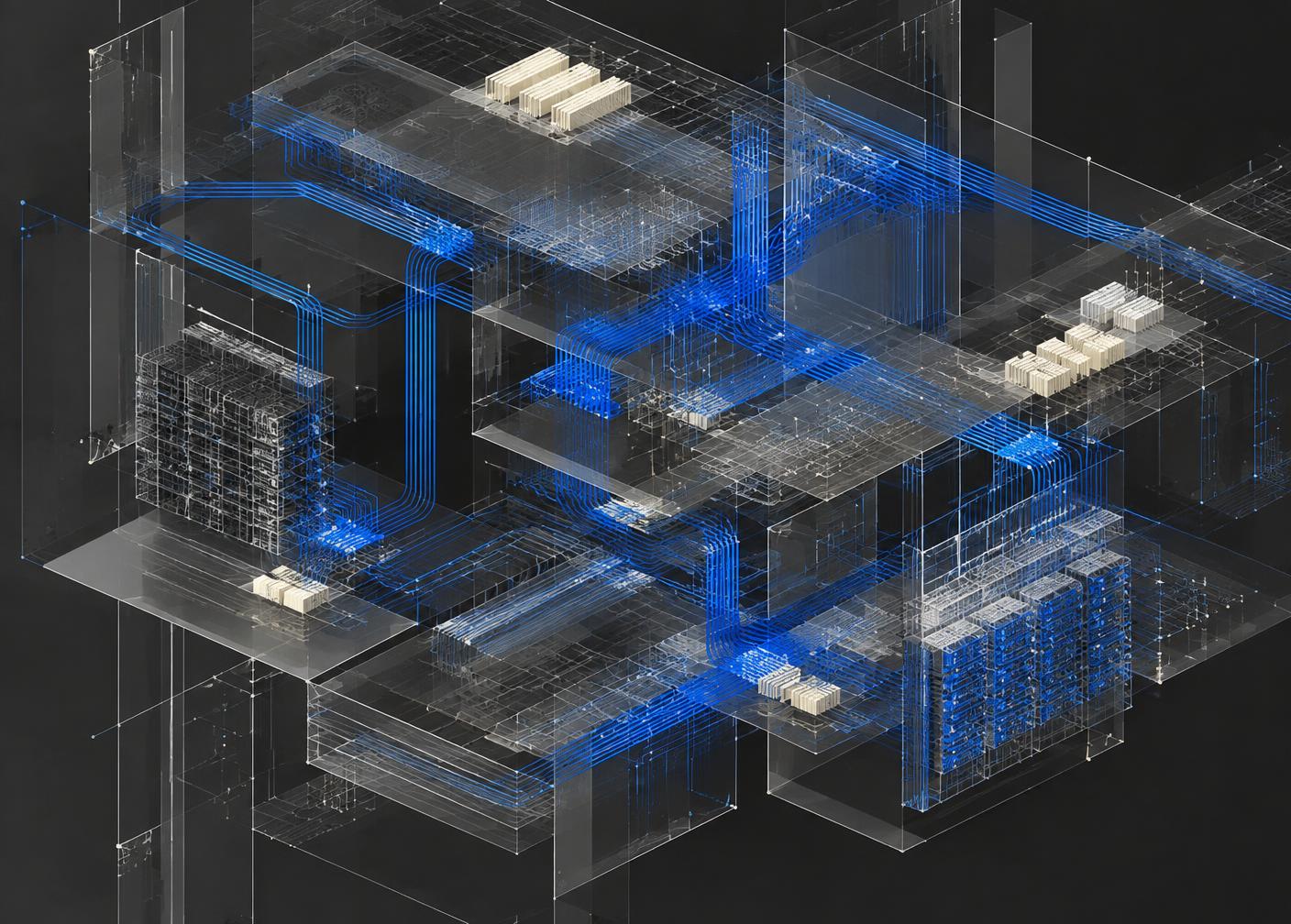
Integration work helps information move consistently between applications, services, and teams. Workflow automation can reduce manual transfer, establish validation, and make exceptions easier to see and resolve.
APIs and service boundaries
Validation and transformation
Repeatable workflows
Security-conscious engineering
Security is treated as an engineering concern rather than a final checklist. Relevant practices may include dependency review, least-privilege access, input validation, secrets handling, safe defaults, and documented operational responsibilities.
The appropriate controls depend on the system, data, threat model, and operating environment.
Delivery process
Clarify the business context, users, constraints, and existing technical landscape.
Translate priorities into a practical architecture, delivery sequence, and definition of quality.
Build in reviewable increments with clear interfaces, documentation, and version control.
Verify behavior, accessibility, security assumptions, and operational readiness.
Maintain, observe, and evolve the delivered system as requirements change.
Illustrative use cases
These are illustrative scenarios, not claims about completed client projects.
Replace scattered spreadsheets with a controlled application for review, status tracking, and structured handovers.
Synchronize selected records between established tools while making failures and exceptions visible.
Reduce risk by replacing an aging system in deliberate increments rather than through one disruptive change.

Engineering principles
Collaboration
Effective technical work depends on shared context. Collaboration is structured around clear written decisions, regular review points, visible risks, and language suited to both technical and business participants.
Frequently asked questions
The offering covers custom software, browser-based applications, infrastructure, integration, automation, technical consulting, and ongoing maintenance.
Yes. An engagement can start with a review of an established codebase, infrastructure environment, integration landscape, or workflow.
Scope is shaped around business priorities, technical constraints, dependencies, delivery risks, and the level of certainty available at the outset.
Maintenance and support can be planned alongside delivery, including updates, issue investigation, documentation, and measured improvements.
Contact information